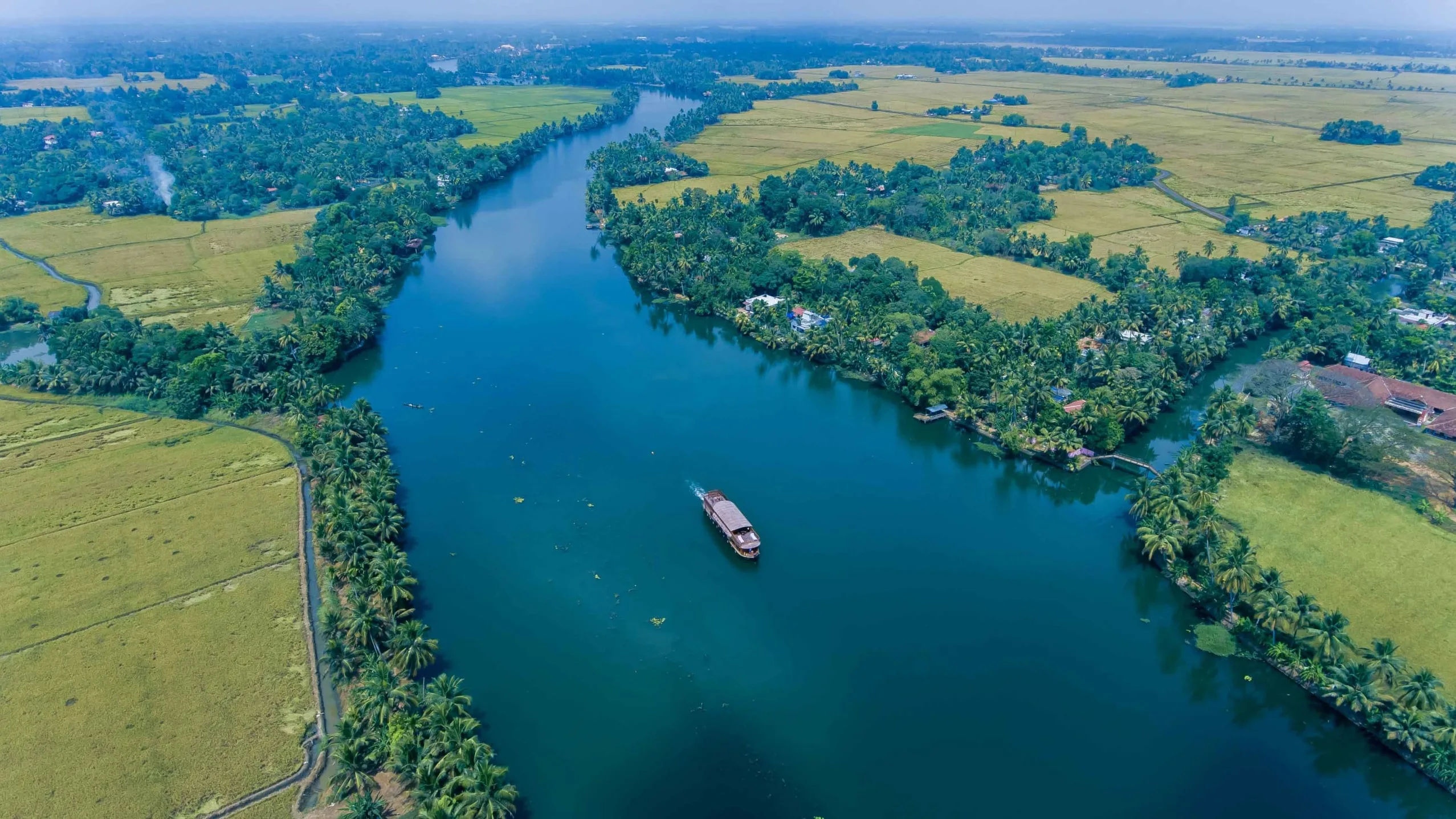
Vembanad Lake
As the longest lake in India, this vast water body serves as the heart of the backwater system. It connects multiple canals and supports a wide variety of aquatic life.
View from a houseboat during sunset for wide-angle perspectives.

Alleppey sits at the heart of Kerala's backwater region, where brackish water channels connect rice paddies, fishing villages and inland lakes. The term describes a specific ecological system rather than a single body of water, and understanding its geography helps visitors choose the right way to explore it.
Quick answer
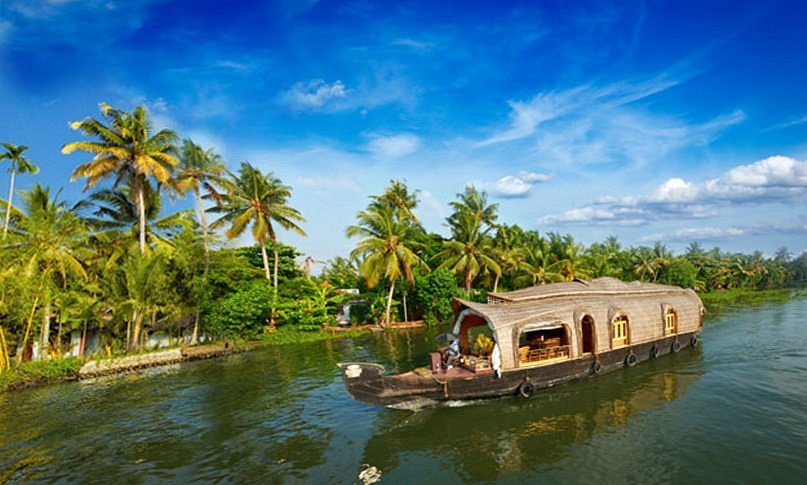
What is backwater in alleppey refers to the network of interconnected canals, lagoons and tidal inlets that stretch inland from the Arabian Sea through Alappuzha district. These brackish waterways link Vembanad Lake to smaller channels that reach into coconut groves and paddy fields. The system remains accessible year-round, with public waterways free to enter while individual boat operators charge fees for cruises and houseboat rentals.
The backwaters of Alleppey form the largest wetland system in Kerala, covering roughly 1,900 square kilometers of channels, lakes and lagoons. Vembanad Lake anchors the region as India's longest lake, stretching 96 kilometers and connecting to the Arabian Sea through a network of tidal inlets. What sets this landscape apart is the constant flow between salt water and fresh water, creating a brackish environment where rice cultivation and fishing coexist within the same waterway. The system developed over centuries as local communities dredged canals to transport coir, spices and coconuts from inland farms to coastal ports. These channels still serve as primary transport routes for villages without road access. The Alappuzha district alone contains more than 140 kilometers of navigable waterways, with some channels narrow enough to pass beneath low-hanging palm fronds and others wide enough for cargo barges. Houseboats converted from kettuvallams—traditional rice barges lashed together with coir rope—now move tourists through the same routes that once carried harvests. Understanding what is backwater in alleppey means recognizing it as a working ecosystem rather than a static attraction. Fishermen cast nets at dawn along the same stretches where houseboats moor for lunch service. Rice paddies flooded with backwater irrigation sit a few meters from village homes built on narrow strips of reclaimed land. The best way to grasp the scale requires moving through the channels rather than viewing them from shore, since the network's depth only becomes clear once palm-lined banks close in on both sides and the horizon narrows to the next bend. The canals remain navigable throughout the year, though water levels shift with monsoon patterns. Early morning hours between six and ten offer the clearest light and the most activity, as fishing boats return and village ferries begin their routes. Temperatures stay moderate before midday heat sets in, and mist often lingers over wider sections of Vembanad Lake until the sun burns through. Public access to the waterways costs nothing, but organized boat trips and houseboat charters operate on independent pricing set by individual operators rather than a centralized fee structure.
“The backwaters of Alleppey form the largest wetland system in Kerala, covering roughly 1,900 square kilometers of channels, lakes and lagoons.”
The best arrival window is 06:00–10:00, as early morning offers the best light and cooler temperatures before midday heat. Planning your visit during the winter months balances mild weather with consistent water levels for navigation.
Mild temperatures, 20°C–30°C. Ideal for comfortable cruising throughout the day.
Warm, 25°C–35°C. Early morning trips are essential to avoid peak afternoon sun.
High humidity and rainfall, 23°C–28°C. Frequent showers offer lush scenery but limit outdoor visibility.
—
Mid-week mornings provide the quietest experience on the water before weekend traffic increases.
Verdict: For the most favorable conditions, aim for a weekday arrival between 06:00 and 10:00 during the months of November or February.
Access to the public waterways of Alleppey is free of charge. Costs are incurred only when engaging independent boat operators for cruises.
Verdict: Individual travelers pay 0 INR for public access, while cruise costs fluctuate based on the operator, vessel type, and duration chosen.
The Kerala Backwaters in Alappuzha are public waterways accessible to visitors at all times throughout the week. Because these are natural canals, the network remains open continuously for navigation.
The Kerala Backwaters are located in Alappuzha, Kerala, India, accessible via a well-connected network of rail, road, and air transport. Most travelers reach the region through Alappuzha Railway Station or nearby airports like Cochin International Airport.
Alappuzha Railway Station (ALLP) from major cities like Kochi or Thiruvananthapuram
KSRTC Bus Stand Alappuzha via NH 66
Cochin International Airport (COK) via NH 66
From various public jetties within Alappuzha town
Plan your arrival to the boat launch points between 06:00 and 10:00 to experience the waterways when temperatures are cooler and lighting is optimal.
The backwaters of Alleppey comprise a complex network of brackish lagoons, interconnected canals, and river systems. These waterways sustain unique ecological zones and provide a glimpse into traditional agrarian life.
As the longest lake in India, this vast water body serves as the heart of the backwater system. It connects multiple canals and supports a wide variety of aquatic life.
View from a houseboat during sunset for wide-angle perspectives.
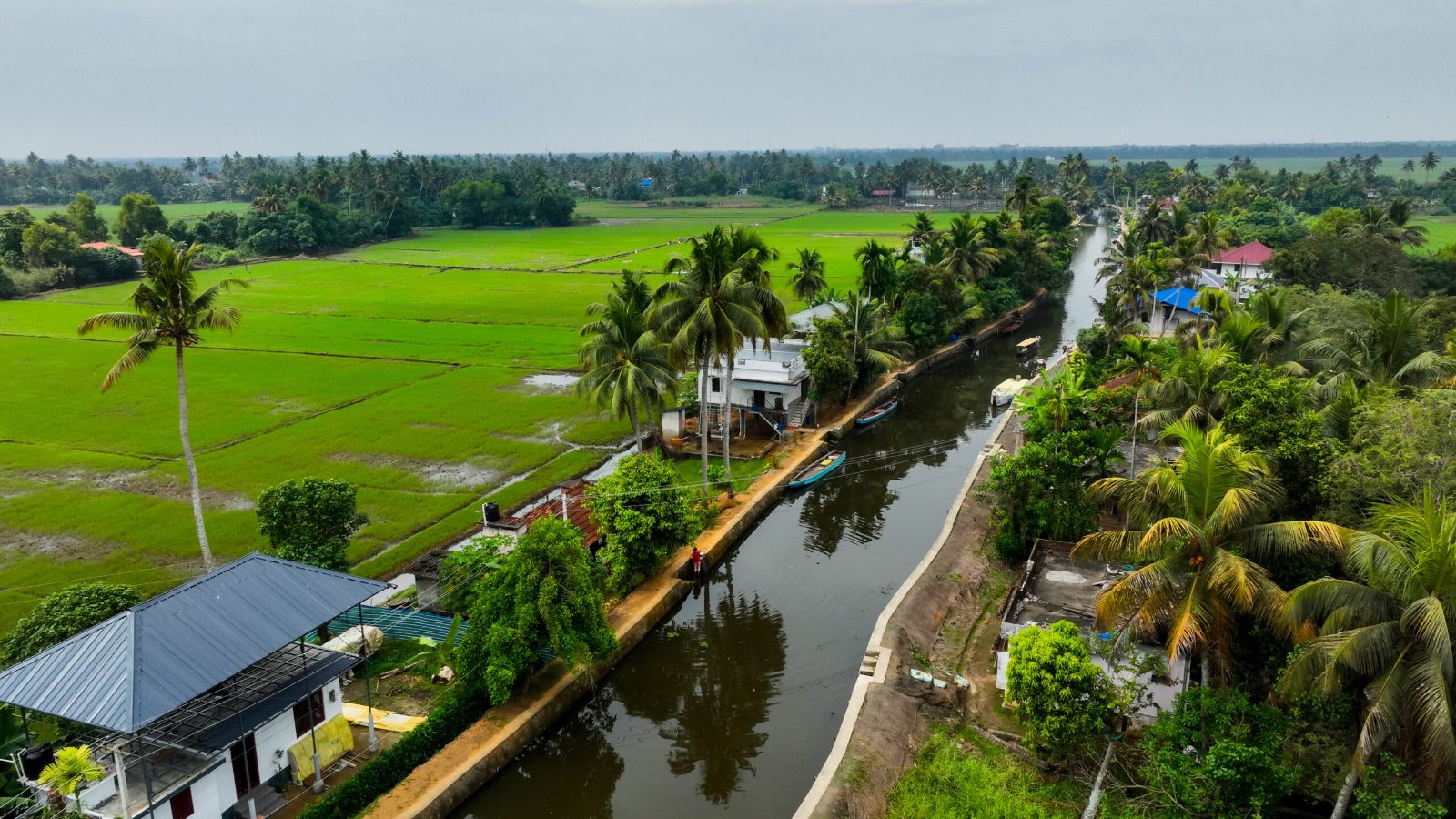
Known as the rice bowl of Kerala, these unique fields are situated below sea level and are separated from the canals by earthen embankments. Farming here relies on the complex irrigation provided by the backwaters.
Observe the elevated water levels relative to the crops.
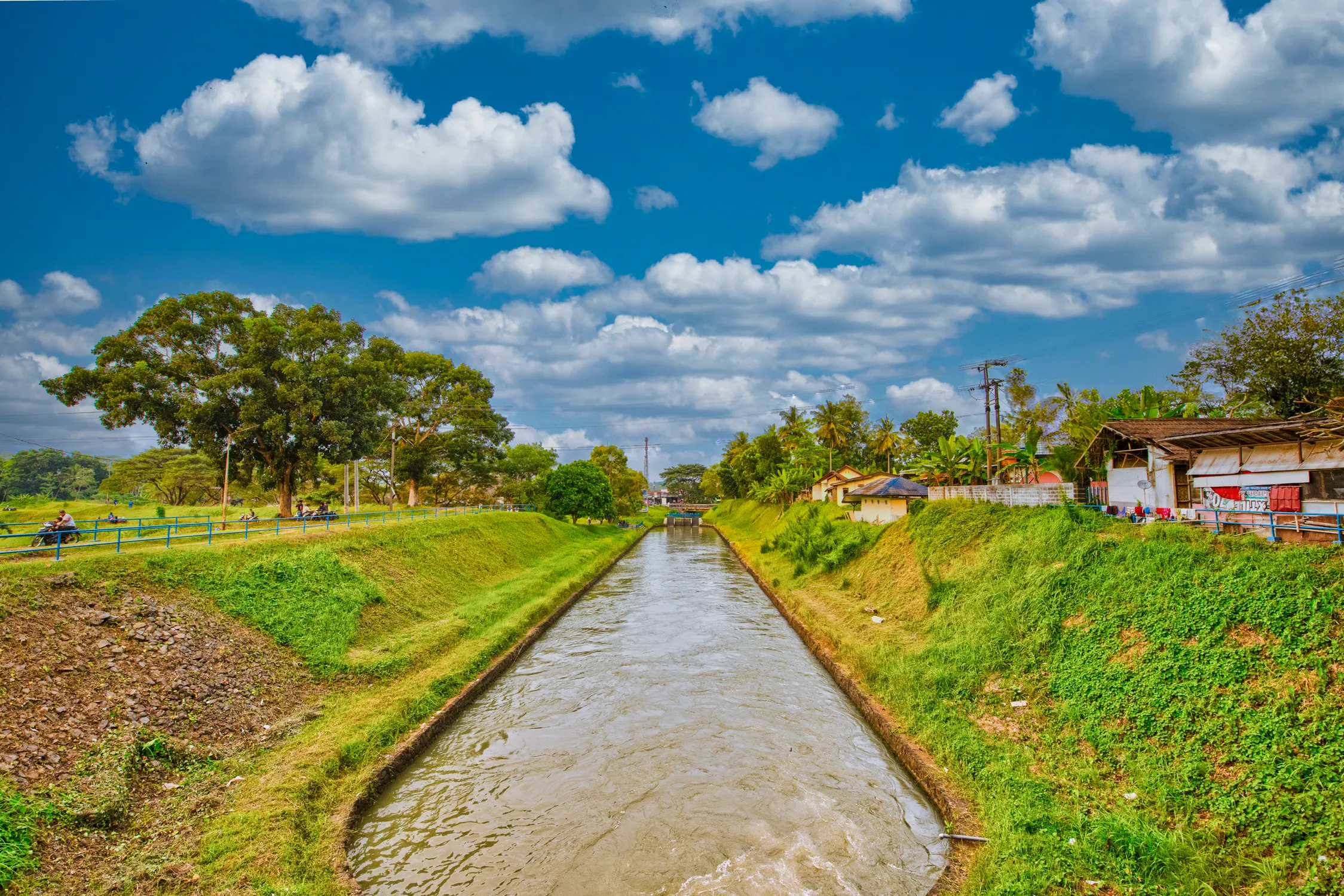
This narrower canal section offers a quieter passage away from the primary transit routes. It allows for closer observation of local village homes and flora.
Navigate this stretch in a smaller canoe for accessibility.
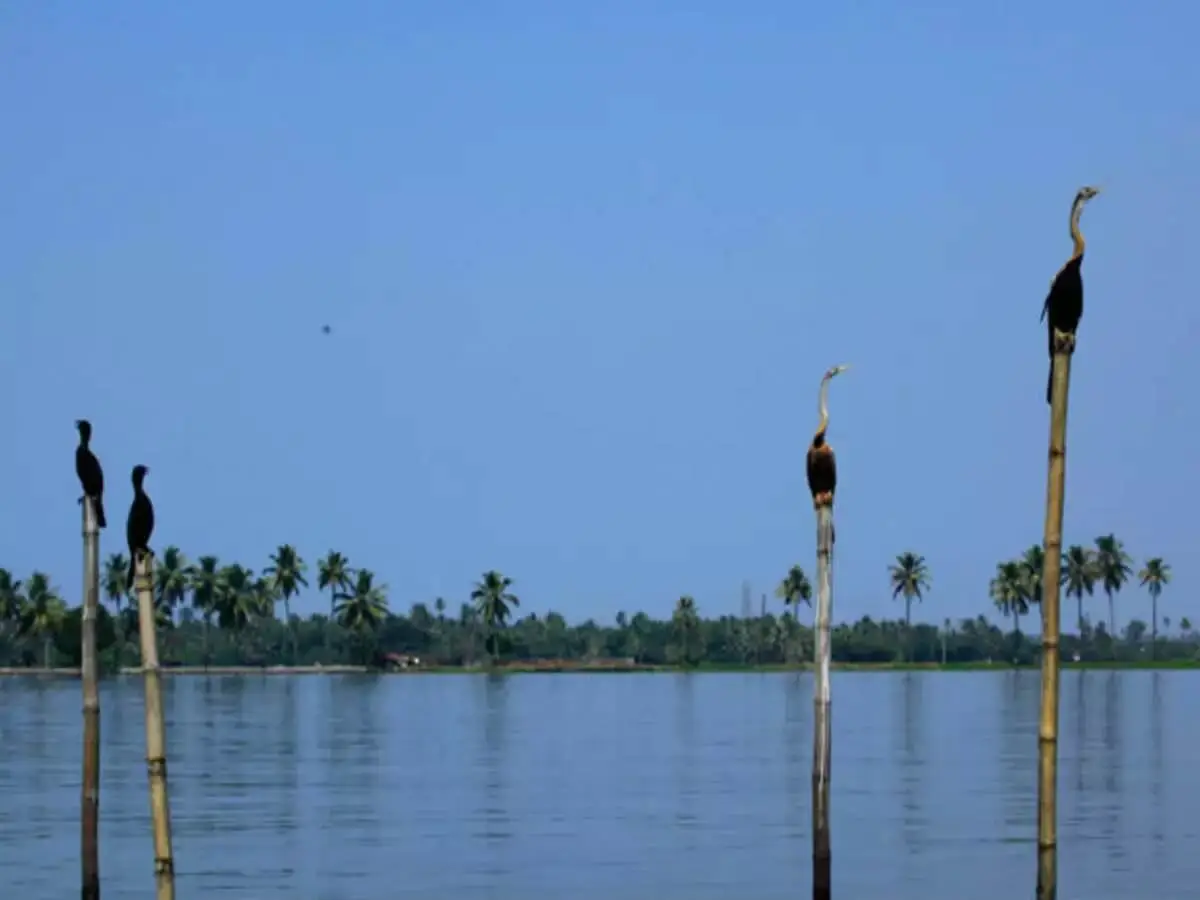
Located in the middle of Vembanad Lake, this small island acts as a sanctuary for migratory birds and diverse plant species. Access is primarily gained via boat transport.
Visit during morning hours to spot various bird species.
Everything you need to know about what is backwater in alleppey
The backwaters in Alleppey are a network of brackish lagoons, canals, and lakes running parallel to the Arabian Sea coast. This unique ecosystem, often referred to as the Venice of the East, is characterized by its tranquil waterways and lush paddy fields, forming what is backwater in alleppey for many travelers. Visitors seeking a deeper understanding of what is backwater in alleppey will find that it serves as a vital transportation route for local communities and a sanctuary for diverse birdlife. Exploring these Kerala waterways allows you to experience the traditional lifestyle of villagers living alongside the lotus-filled canals.